

Marine Evacuation System (MES) – Rapid, Safe & SOLAS-Compliant Evacuation
Effortless emergency evacuation with inflatable slides or chutes, transferring passengers quickly from ship to life rafts — built for safety, speed, and reliability.
Marine Evacuation System
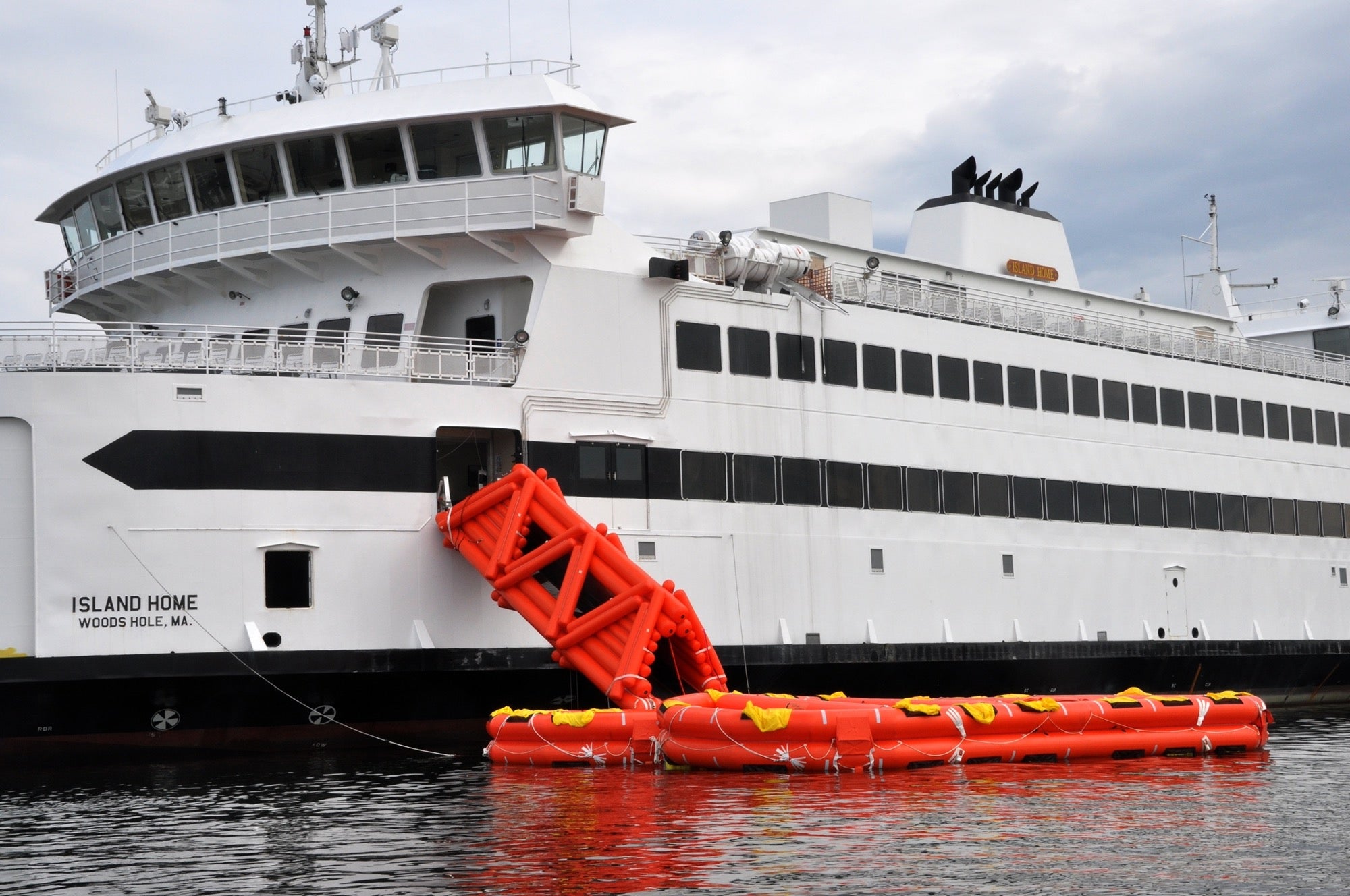
The Marine Evacuation System (MES) is a crucial lifesaving device used on many modern passenger ferries, naval and maritime academy ships and oil rigs. It includes an inflatable slide or escape chute that allows passengers to disembark directly into waiting life rafts. The system is designed to enable large numbers of untrained individuals to rapidly abandon ship in the event of an emergency. According to the International Convention for the Safety of Life at Sea (SOLAS) 1974, an MES is defined as an appliance for the rapid transfer of persons from the embarkation deck of a ship to a floating survival craft.
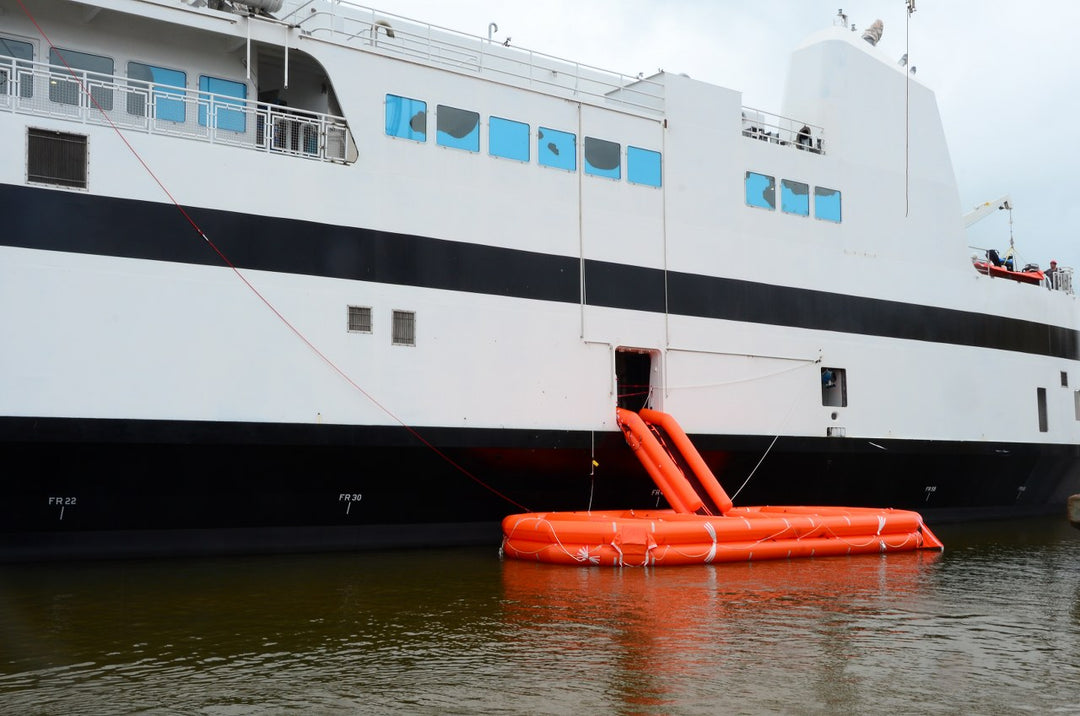
Marine Evacuation Systems (MES) are regularly tested and maintained to ensure reliability and readiness in emergency situations. These are the testing intervals:
- Weekly Inspections: Visual inspection usually carried out by crew members to ensure they are ready for use.
- Monthly Inspections: A closer examination by crewmembers. Carefully inspection launch cradles, and bowsing lines are properly in place.
- Annual Servicing: MES Is removed from the ship and brought to an authorized service facility for annual inflation testing and equipment refreshing. The equipment is then re-installed on board by trained technicians.
- Five-Year Overhaul: The life rafts and the Slides are live inflated by using the actual Co2 Inflation systems on equipment followed by a closer pressure testing and refreshing of stowed survival equipment.
- Six Year Deployment: Each MES System must be deployed live from the ship on a rotational basis at least once every six years. (our trained technicians regularly run these live deployments on ships, see our videos).
These regular inspections and servicing intervals help ensure that the MES is always in optimal condition and ready for immediate use in an emergency.
M/V Patriot State
Congratulations to the more than 500 students from Massachusetts Maritime Academy have just set sail for the first six week Sea-Term training voyage of the Brand new M/V Patriot State. This new state of the art training ship was outfitted with the most advanced safety equipment available for it’s maiden voyage as the Maritime Academy’s pride and joy training ship.
Life Raft & Survival Equipment, Inc. (LRSE) is proud of our longstanding history (over 30 years) as a supplier and service provider for Mass Maritime’s Survival Equipment. Life Jackets, Immersion Suits, EPIRB transmitters and the ships Marine Escape System MES (Life Rafts and Escape Slides) have all been maintained by LRSE professionally trained service technicians.
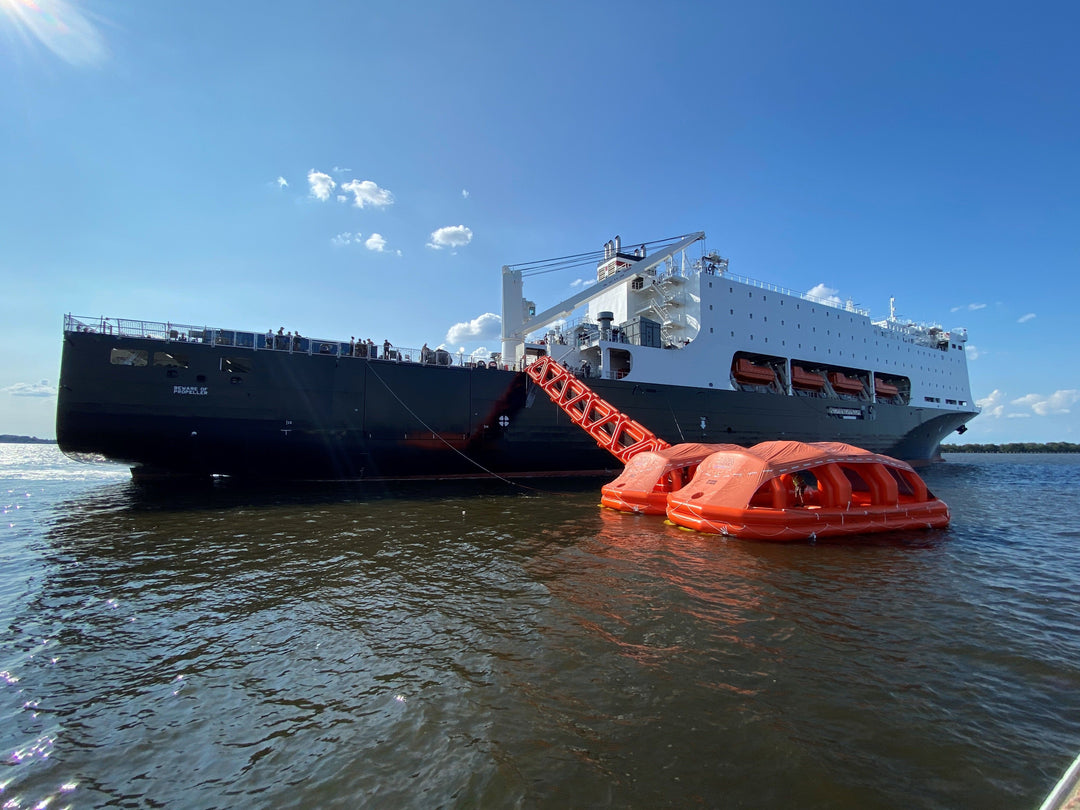
Manufactured by Liferaft Systems Australia (LSA)
M/V Patriot State is outfitted with the most advanced and safest MES system made today. Manufactured by Liferaft Systems Australia (LSA). LSA Has developed a product that is synonymous with quality and reliability. LRSE is proud to be a part of the Global servicing network for LSA, Marine Evacuation Systems.
FAQs
Marine evacuation systems should be serviced at intervals specified by the manufacturer and applicable maritime regulations. Regular servicing helps ensure the system remains operational, compliant, and ready for emergency deployment.
A marine evacuation system inspection typically includes examination of inflatable components, deployment systems, containers, connections, release mechanisms, and service records to verify proper condition and operation.
Yes. Marine evacuation systems are recognized under SOLAS requirements for certain vessel types and must be maintained and serviced in accordance with applicable regulations and manufacturer guidelines.
Testing requirements vary by system type, manufacturer, and regulatory standards. Marine evacuation systems should be tested and serviced at scheduled intervals to verify readiness and compliance.
A marine evacuation system may fail inspection due to damaged components, deterioration, deployment system defects, expired service intervals, missing documentation, or conditions that affect safe operation.
Yes. Many marine evacuation system components can be repaired or replaced when damage or wear is identified during inspection. Repair options depend on the system manufacturer and condition of the equipment.
The lifespan of a marine evacuation system depends on maintenance history, environmental exposure, manufacturer recommendations, and overall condition. Regular servicing helps maximize operational life and reliability.
A marine evacuation system is considered compliant when it has passed required inspections, remains within service intervals, meets manufacturer requirements, and satisfies applicable SOLAS and maritime safety standards.